Manufactured Homes in New Hampshire: The Overlooked Path to Owning Land
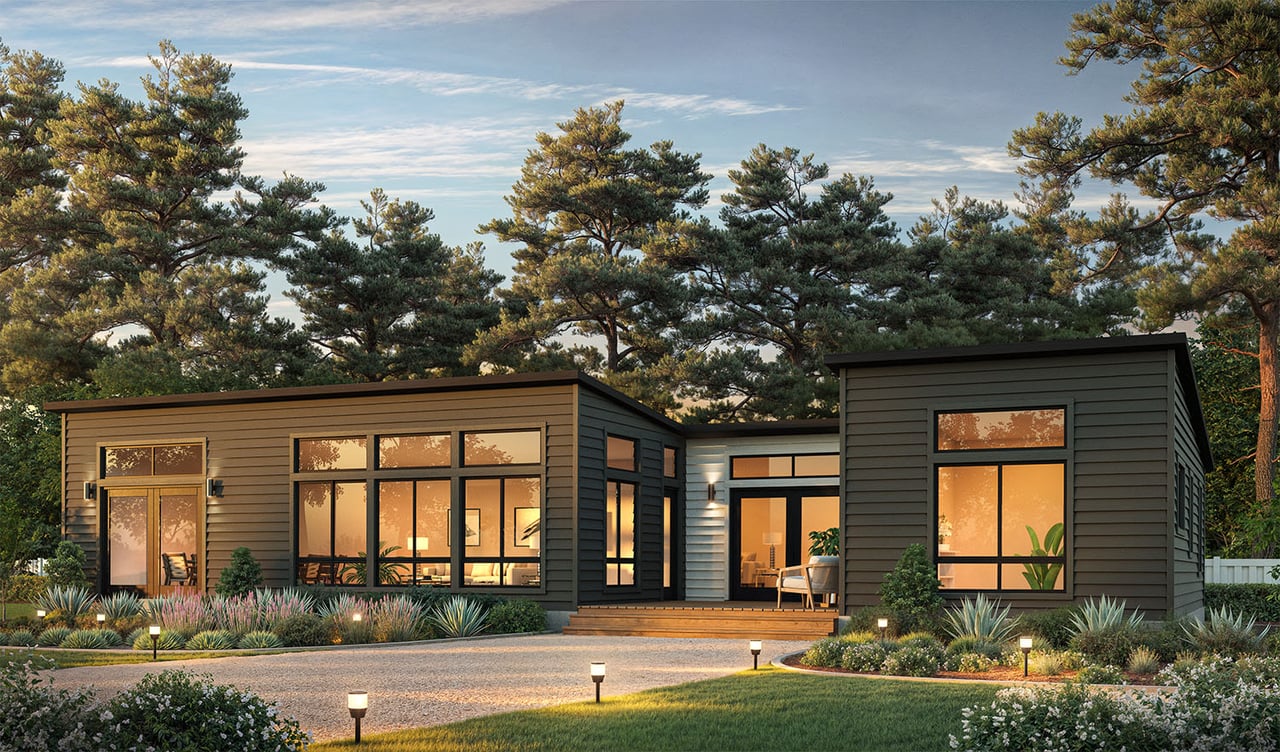
There's a headline making the rounds this summer that caught my attention: manufactured housing is drawing serious national attention as a solution to the housing shortage, but the industry itself admits there's a bottleneck — buyers can't find good data on land, pricing, or which communities actually welcome these homes. Greyson Gibson, CEO of LotRoll, put it well: the stigma around manufactured homes hasn't caught up to reality. A lot of these homes today are basically indistinguishable from a stick-built house once you're standing inside one.
That gap between "the stigma" and "the reality" is exactly where I spend a lot of my time here in New Hampshire — because it turns out our state is one of the better places in the country to close it.
New Hampshire Is Manufactured-Home Friendly. By Law.
This isn't a workaround or a loophole. It's written into state statute. Under RSA 674:31-32, towns in New Hampshire can't simply ban manufactured housing. Municipalities with zoning are required to provide reasonable, realistic opportunities for it in most residential districts — whether that's on an individual lot, in a park, or in a subdivision.
And once a manufactured home is sited on its own lot, it's treated like any other house. It has to meet the same dimensional rules as a stick-built home, and towns can't require a special permit unless they'd require one for a conventional home too.
Here's the part that surprises most people: New Hampshire treats manufactured housing as real property. That means buyers can use a standard residential mortgage — not the higher-rate personal-property ("chattel") loans that trip up so many buyers in other states. That one rule alone opens the door to a much wider pool of buyers, because it puts financing on the same footing as any other home purchase.
We're not a fringe market here, either. New Hampshire has roughly 145 resident-owned communities and about 9,000 manufactured homes, making up close to 5% of the state's housing stock.
So Why Doesn't It Feel Easy?
Because it isn't, everywhere. The law creates the opportunity statewide, but only about 9.9% of New Hampshire's developable land currently allows small-lot manufactured homes. Legally, the door is open across the state. Practically, it swings easiest in a specific slice of towns — the ones with reasonable minimum lot sizes, an existing base of manufactured homes or resident-owned communities, allowance on individually deeded lots, and utilities or soil that can actually support a septic system.
That's the piece that turns "technically legal" into "actually doable" — and it's exactly where local knowledge earns its keep. Knowing which towns make this easy, and which ones will fight you on it, saves buyers months of frustration.
The Land Is Out There — And It's More Affordable Than You'd Guess
Right now there are 353 active building lots across New Hampshire priced at $200,000 or less, ranging from half an acre to five acres. The median asking price among them is around $99,000.
Put that next to New Hampshire's median single-family home price sitting north of $500,000, and you start to see the math. A land-plus-new-manufactured-home package can land around $220,000 all-in — well under the state's typical home price, and often for a brand-new, owned home on owned land.
There's a second path that works even better for some buyers: replacing an outdated mobile home that's already sitting on developed land. If the site already has a driveway, well, and septic, you skip $40,000 to $70,000 in raw land development costs. A teardown-and-replace project can land around $337,000 all-in — again, well under median — because you're paying to upgrade the home, not build a homesite from scratch.
Who I Work With On This
I've spent time getting to know Northern Mobile Homes, a Rochester, NH builder that puts up genuinely well-built, modern manufactured homes. If you've pictured a "mobile home" as something from decades ago, it's worth an actual look — today's floor plans and finishes have come a long way, and they're a real option for buyers who want new construction without a new-construction price tag.
But the home is only half the equation. The harder half — the part that actually stalls most buyers — is finding land that legally, physically, and financially works: the right zoning, a lot that will perc for septic, water access, and a budget that pencils out. That's the work I do. I don't just help someone buy a house; I help someone figure out whether a piece of New Hampshire land will actually support the home they want, before they fall in love with either one.
If You've Written This Off, It's Worth a Second Look
A lot of buyers cross manufactured housing off their list early — sometimes because of something they heard years ago, sometimes because they assume the financing or zoning will be a nightmare. For a lot of New Hampshire towns, neither of those assumptions holds up anymore.
If owning land and a genuinely new home for meaningfully less than the state's median price sounds interesting, this is a conversation worth having. I can walk you through which towns make this easiest, what a realistic all-in budget looks like for your situation, and whether a specific lot you're eyeing will actually work.
Reach out and let's talk through it — no pressure, just real numbers for your situation.
Stay up to date on the latest real estate trends.

September 15, 2026

September 8, 2026

September 1, 2026

August 4, 2026

July 28, 2026

July 21, 2026
July 14, 2026
And Why the Rules Are More on Your Side Than You Think

July 7, 2026
How should I price my home in Southern NH to sell it quickly?

June 30, 2026
We know the Manchester area — what's selling, what's sitting, and what a house is actually worth right now. Whether you're buying, selling, or still figuring out your options, you'll get honest numbers and no pressure. There's no right or wrong here — just what's right for you.